The American Association of Professional Apiculturists, or AAPA, is an organization consisting of professors, state apiarists, extension educators, scientists, and students who all study and work with honey bees (Apis mellifera).
The goals of the AAPA focus on three major areas: 1) Promoting communication within and between industry, academia, and the beekeeping community; 2) Developing and fostering research on fundamental and applied questions to gain a greater understanding of bee biology in an aim to assist and improve the beekeeping industry; and 3) Create a venue to rapidly share new techniques and current research to advance the field.
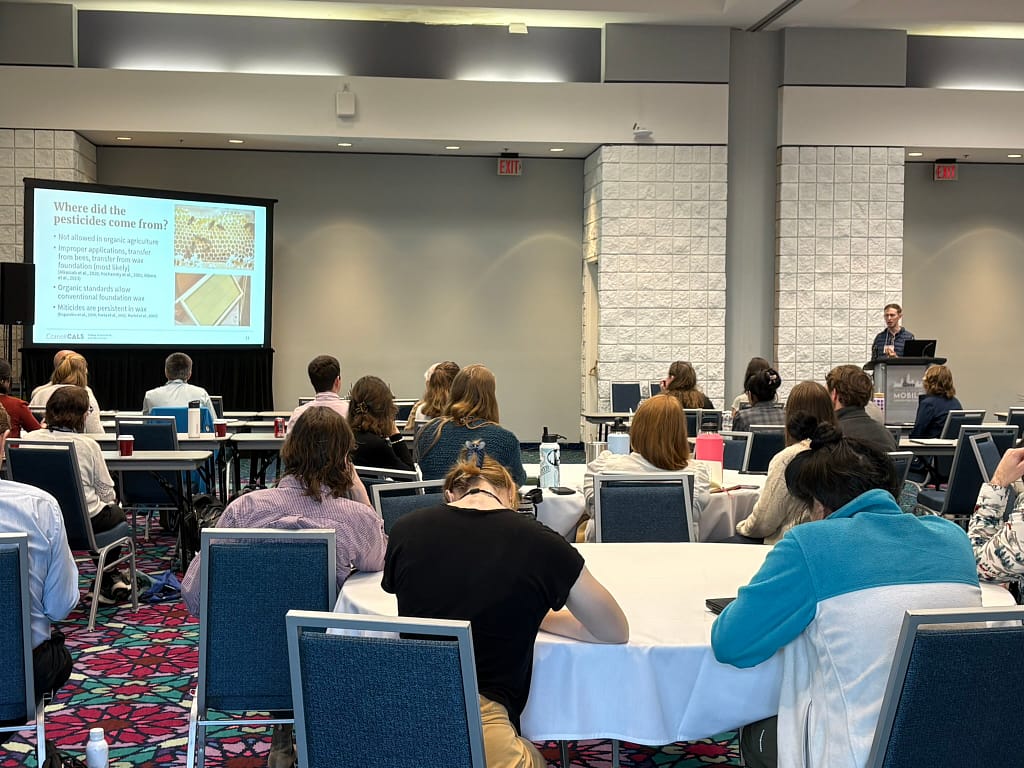
AAPA organizes a yearly conference, the American Bee Research Conference (ABRC) which is usually in January, often together with other professional beekeepers (American Beekeeping Federation [ABF], American Honey Producers Association [AHPA], or Apiary Inspectors of America [AIA]).
AAPA News
American Bee Research Conference (ABRC) 2027 – Meeting Announcement
We are pleased to announce the 2027 American Bee Research Conference (ABRC). This 2.5-day conference will meet concurrently with the American Beekeeping Federation and is scheduled for January 14-16, 2027. ABRC will include two full days, followed by a half day on the last day of the conference (see the conference page on the AAPA website for key dates and a draft schedule).
📍Conference Details
- Dates: January 14–16, 2027
- Location: Moody Gardens Convention Center in Galveston, Texas, USA
- Co-hosted with: American Beekeeping Federation (ABF) Annual Meeting
- Abstract and Travel Award submission opens in June (see AAPA website under “Additional Information” for key conference dates)
🐝Program Overview
The conference will feature a dynamic and collaborative program, including:
- Keynote presentations from Dr. Christina Grozinger (The Pennsylvania State University) and Dr. Sarah Wood (University of Saskatchewan) – visit the conference page for keynote speaker bios and presentation titles
- Student research talks highlighting cutting-edge science
- Extension sessions focused on translating research into practice
- Poster sessions and networking opportunities to strengthen collaboration
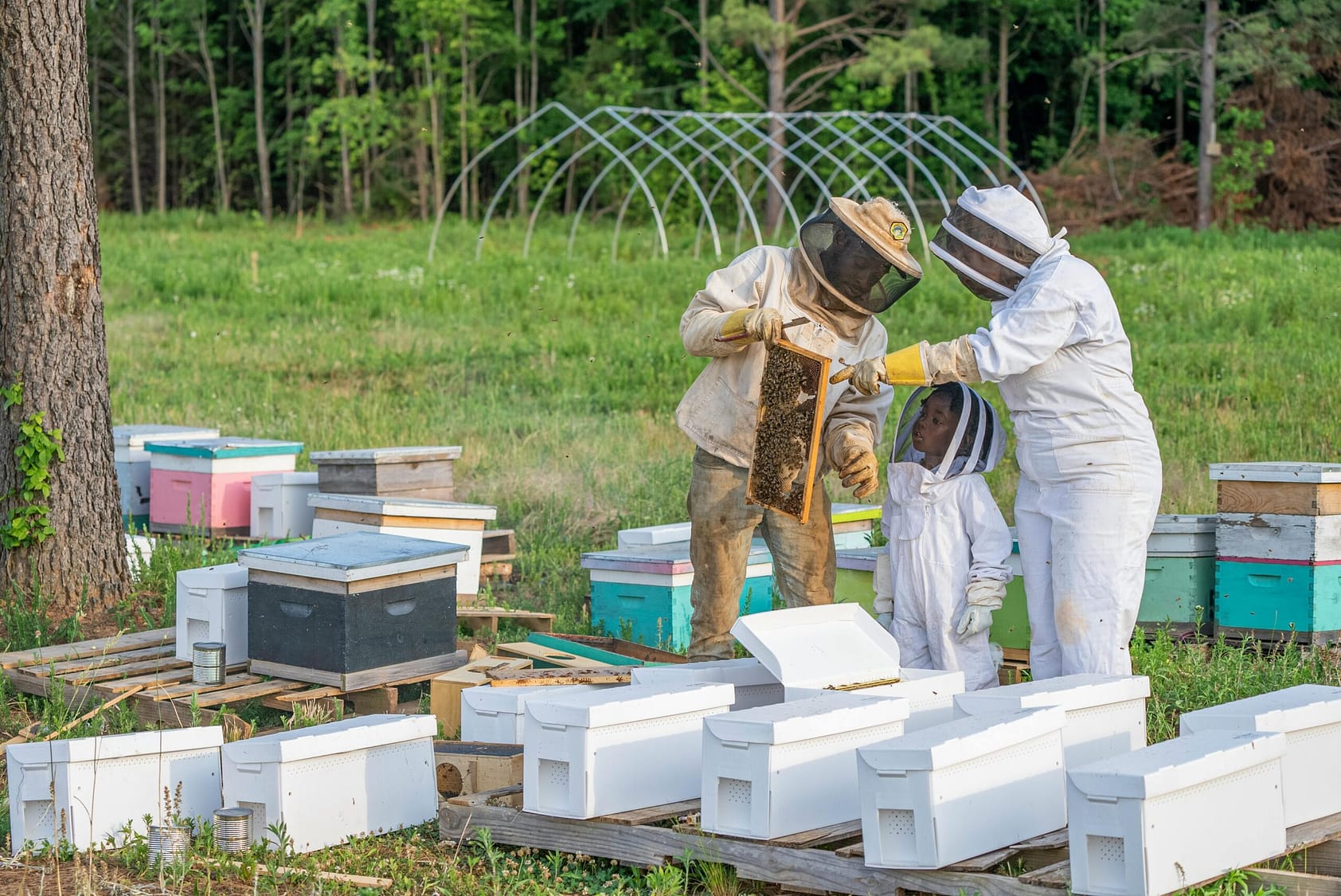
The AAPA believes that everyone, regardless of identity (including, but not limited to, race, gender identity, sexual orientation, socioeconomic class, ethnicity, religion, age, nationality, family status, veteran status, and ability status), belongs in apicultural science. Having a diverse membership expands perspectives and critical reasoning, which advances scientific knowledge and enhances overall outcomes. AAPA supports diversity, accessibility, and inclusion efforts by creating opportunities for participation and advancement in apicultural science as a whole, opposing racism and all other forms of discrimination or harassment. We will listen, learn from, and work with others from all career stages and backgrounds to build a more diverse, equitable, inclusive, and just community of apicultural researchers.